
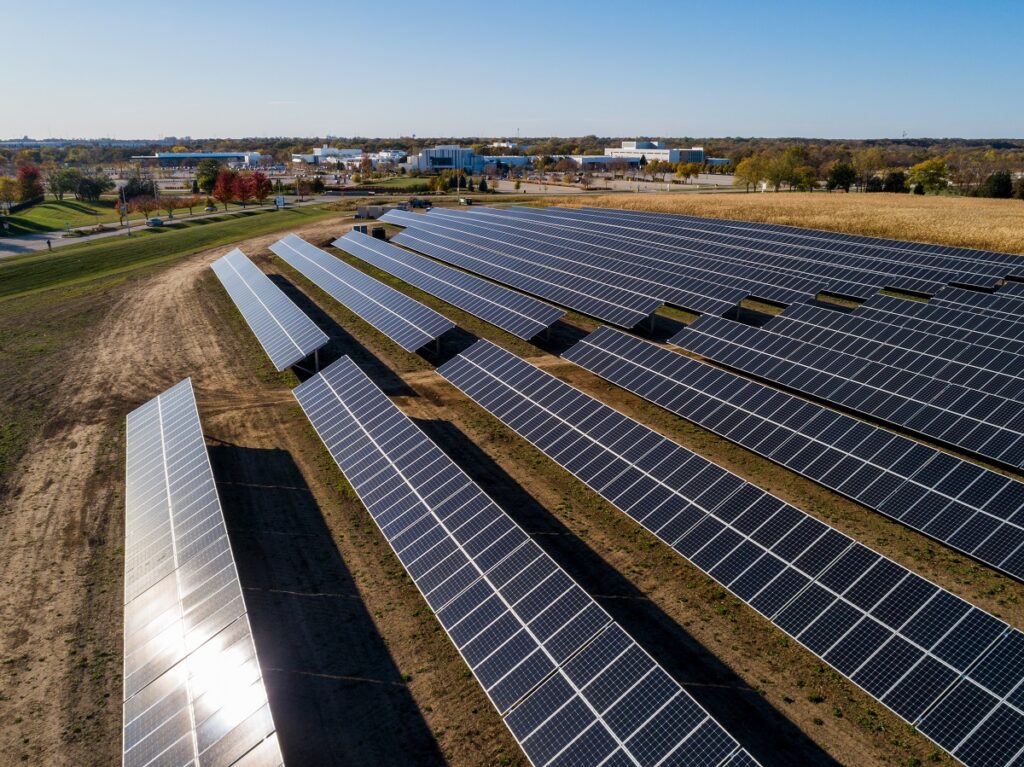
As schools across Michigan continue to face rising utility costs and increasing pressure to operate more sustainably, solar energy has emerged as one of the most practical long-term investments. By installing clean solar power systems, educational institutions can significantly reduce electricity expenses, allowing more of their budgets to be directed toward teachers, student programs, classroom technology, and facility improvements instead of monthly energy bills. Many schools can also take advantage of grants, incentives, and renewable energy programs that make the transition to solar more affordable while providing decades of predictable energy savings.
Beyond financial benefits, solar energy creates healthier and more environmentally responsible campuses. Every kilowatt-hour generated from renewable energy reduces dependence on fossil fuels, lowering greenhouse gas emissions and improving local air quality. Schools that adopt clean energy demonstrate leadership in environmental stewardship, inspiring students, staff, and the surrounding community to embrace sustainable practices. Solar installations can also contribute to district sustainability goals while enhancing the school’s public image as a forward-thinking institution committed to protecting future generations.
A third major advantage is the educational value that solar energy brings to the classroom. A campus solar installation becomes a real-world learning resource where students can explore renewable energy, engineering, environmental science, mathematics, and data analysis using live energy production data. Teachers can incorporate the system into STEM curricula, giving students hands-on exposure to technologies that are shaping tomorrow’s workforce. As clean energy careers continue to grow across the United States, schools investing in solar are not only reducing operating costs—they are also preparing students for a future powered by innovation, sustainability, and responsible energy management.